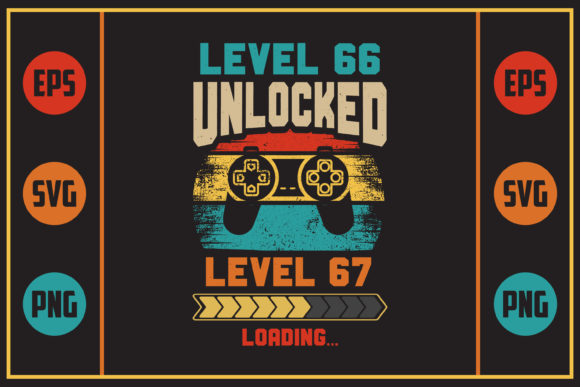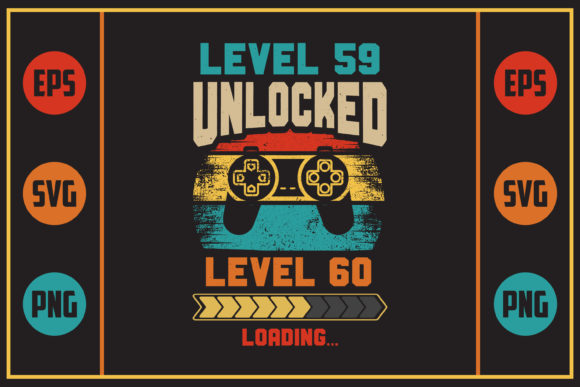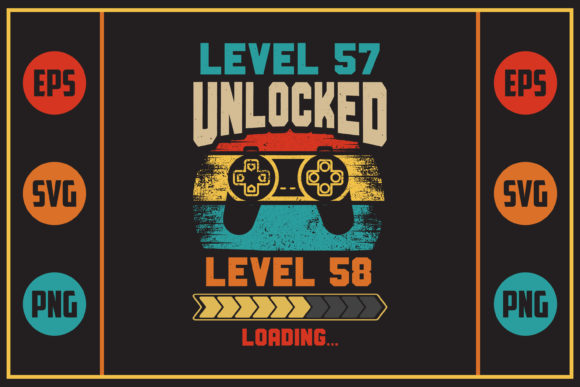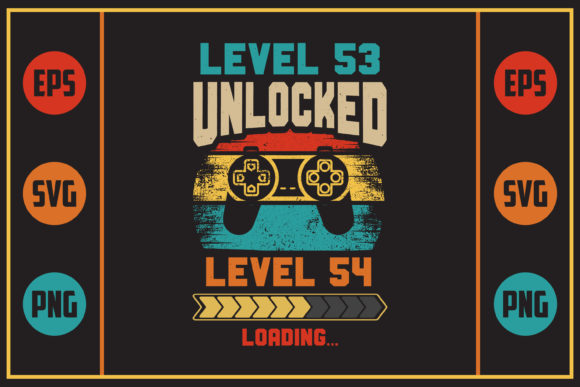
Gaming Retro Design - Level 70 Review
When I first opened the folder for Gaming Retro Design - Level 70, I wasn't looking for a generic clip art file; I was hunting for something with character that could anchor a new collection of handmade goods. As someone who spends hours evaluating embroidery files for client projects and my own Etsy shop, I know that the difference between a design that sells and one that sits in a digital drawer often comes down to visual personality and stitch logic. This Graphics category entry immediately caught my eye because it taps into that nostalgic gaming aesthetic without feeling dated or overly cluttered.
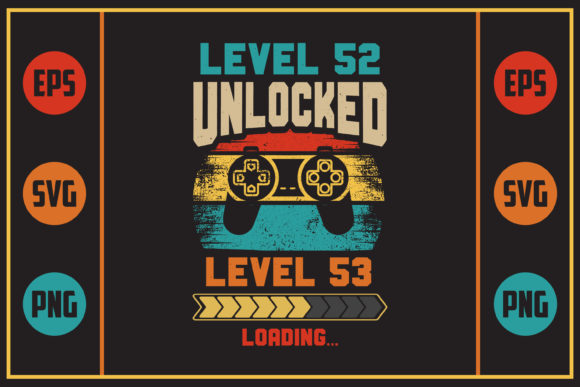
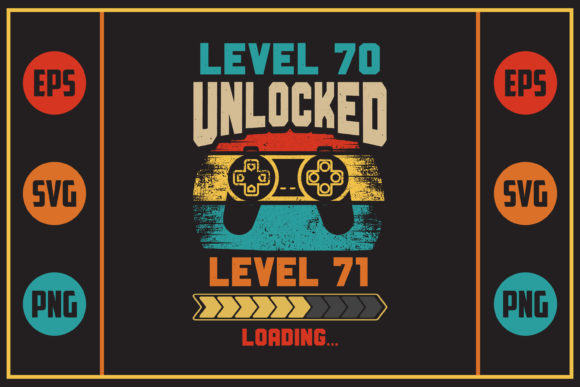
The mood created by this design is unmistakable: energetic, playful, and steeped in retro culture. The layout suggests a progression or an achievement, which makes it perfect for storytelling on apparel. Whether you are a small business owner creating merchandise for a local game night or a hobbyist making a personalized gift for a gamer friend, the visual weight of Gaming Retro Design - Level 70 feels substantial enough to stand out but clean enough to remain legible after stitching.
Real-World Application: From Digital File to Finished Product
I recently tested this design concept by planning a custom embroidered tote bag project for a boutique client who specializes in tech accessories. My goal was to create a product that felt like a premium accessory rather than a cheap novelty item. When I laid out the mockup for Gaming Retro Design - Level 70 on a canvas tote, the composition worked beautifully. It didn't feel like a sticker slapped onto fabric; it felt integrated into the garment's identity.
In this scenario, the design serves as a focal point. For an embroidery designer, the key question is always: how will this translate from screen to thread? In a real-life production run, this design would shine on sweatshirt embroidery for hoodies or as a statement piece on baby embroidery for onesies. The retro theme resonates deeply with parents who grew up playing classic games and want to share that nostalgia with their children. However, I also see its potential on kitchen towels or aprons for a home barista who loves gaming during downtime. The versatility here is high, provided you match the thread colors to the intended vibe.
For an Etsy seller or craft fair vendor, the marketability of Gaming Retro Design - Level 70 is significant. Customers browsing handmade shops are often looking for unique items that reflect their specific hobbies. A finished product featuring this design signals that the maker understands the subculture. It elevates the perceived value of the item, turning a simple tote or cap into a conversation starter. When customers see a well-executed machine embroidery design that captures a specific era or style, they trust the quality of the craftsmanship more quickly.
Navigating Technical Challenges and Fabric Choices
While the visual appeal is strong, every experienced designer knows that the devil is in the details. Before committing to a full production run, you must consider where this design should be used carefully. If you are working with small hoop sizes, such as those found on caps or hats, the intricate elements of Gaming Retro Design - Level 70 might get lost or distorted. Curved surfaces like baseball caps can stretch the stitches, potentially blurring fine lines if the design isn't adjusted for the curvature.
Textured fabrics present another hurdle. While a smooth cotton twill works wonders for satin stitch and fill stitch applications, rougher materials like denim or heavy canvas might not hold the finer details as crisply. Thin or stretchy fabrics require extra attention to stabilizer selection. Without a proper backing, the tension of the machine could cause puckering, ruining the professional look of the final product. For instance, if you attempt to use this on a thin polyester blend t-shirt without adequate tear-away stabilizer, the result could be uneven and unprofessional.
Dense stitch areas are also worth scrutinizing. If the design relies heavily on fill stitches packed tightly together, it may become stiff and uncomfortable against the skin, particularly on baby clothes or sleepwear. In these cases, a lighter touch or a running stitch variation might be necessary to maintain comfort while preserving the aesthetic. Additionally, dark fabrics demand careful thread color selection. If the contrast between the thread and the fabric is too low, the design loses its impact, and the "Level 70" text might become difficult to read.
Visual Appeal and Brand Consistency
The success of any commercial embroidery project hinges on brand consistency. Using a design like Gaming Retro Design - Level 70 allows you to build a cohesive look across different products. Imagine a line of merchandise that includes pillow covers, holiday gifts, and custom apparel, all unified by this retro gaming theme. This consistency builds customer trust and recognition. When buyers see the same stylistic elements repeated across your shop, they associate that quality with your entire brand.
Furthermore, the design affects the overall presentation of the finished product. A clean, well-stitched embroidery file suggests professionalism. It tells the customer that the maker took time to plan the stitch density and choose appropriate thread colors. This attention to detail justifies a higher price point and encourages repeat purchases. In the competitive world of digital product sellers and creative entrepreneurs, having a library of high-quality designs like this is essential for maintaining a steady stream of income.
Practical Notes for the Embroidery Designer
If you are ready to integrate Gaming Retro Design - Level 70 into your workflow, there are several critical steps to take before hitting the start button on your machine. First and foremost, test the design on scrap fabric that matches the texture and weight of your final material. This step reveals how the threads interact with the weave and helps you adjust tension settings accordingly.
Review the stitch density closely. High-density designs can sometimes lead to thread breaks or skipped stitches if the machine isn't calibrated correctly. Ensure that the hoop size you select accommodates the entire design without cutting off any corners. Inspect small details, especially any lettering or tiny icons within the graphic, to ensure they remain distinct after stitching.
It is also wise to test the design in black and white mockups before ordering expensive specialty threads. This helps you visualize the contrast levels and ensures the design reads clearly regardless of the color palette. Compare light and dark fabric backgrounds to see how the design shifts visually. Always use the proper stabilizer for your specific fabric type; this is the unsung hero of a successful embroidery project.
Finally, confirm licensing terms. Since this is a digital download, verify whether you have the right to sell finished items made with this design. Some licenses restrict commercial use, while others allow it freely. Checking these details protects your small shop product business from legal issues. Remember, the goal is to create a finished product that brings joy to the wearer and pride to the maker.
By treating Gaming Retro Design - Level 70 with the same care as a commissioned piece, you can transform a simple SVG file into a stunning embroidered patch or a standout feature on a tote bag design. Whether you are crafting for personal enjoyment or building a robust craft business, understanding the nuances of how a design performs in the real world is what separates a good maker from a great one.