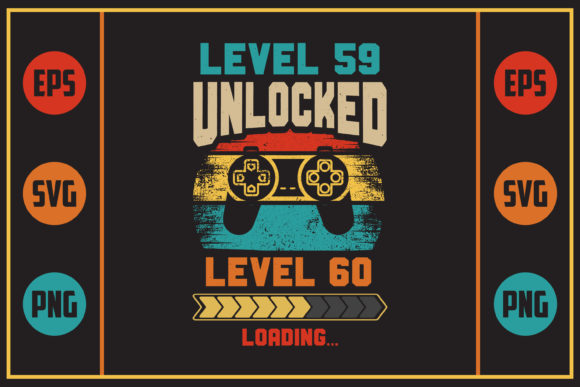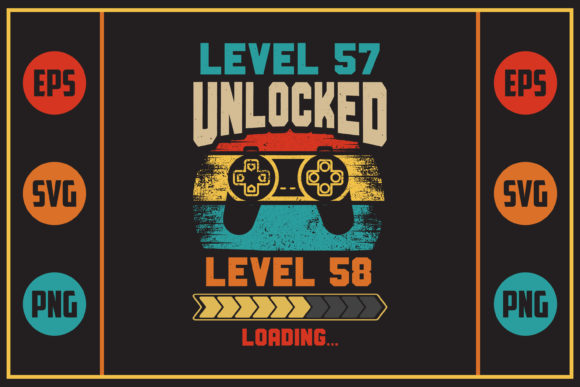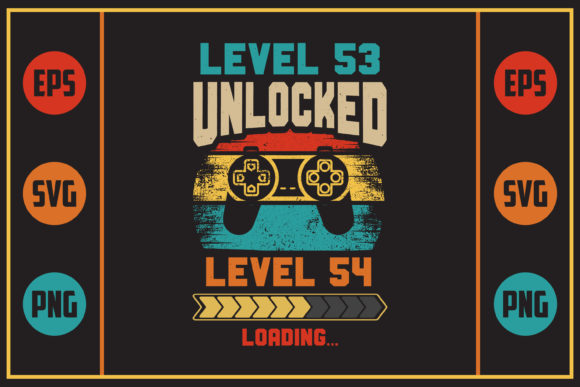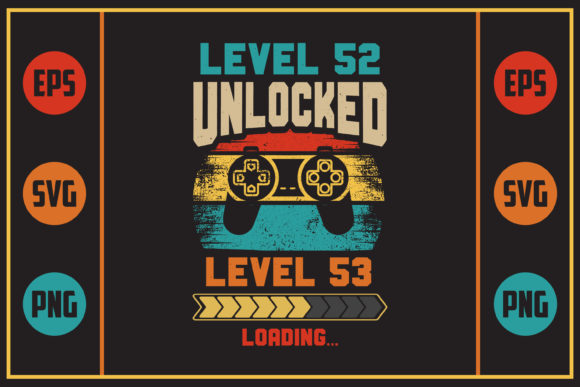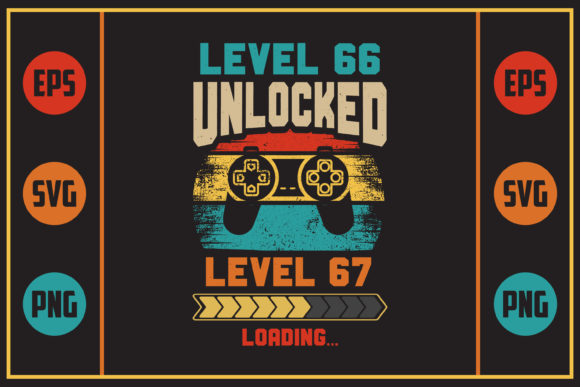
Gaming Retro Design - Level 66 Review
When I first opened the file for Gaming Retro Design - Level 66, I didn't just see a vector; I saw a potential bestseller. As someone who spends hours troubleshooting stitch density and debating thread colors for clients, my initial reaction was one of cautious optimism. This isn't just another generic pixel art clipart. It carries a specific mood that screams nostalgia, making it an ideal candidate for the growing market of gamers who want their hobbies stitched into their daily lives.
The design falls squarely into the Crafts and Graphics categories, but its true value lies in how it translates from a digital SVG to a tangible textile experience. The prompt mentions this is a digital download containing one .zip file with an SVG compatible with Cricut Explore, Silhouette Designer Edition, Adobe Suite, Inkscape, and Core. While these software compatibilities are standard for modern crafters, the real test for any machine embroidery designer is whether that clean vector line work holds up when converted into stitches.
First Impressions: A Nostalgic Visual Hook
The visual personality of Gaming Retro Design - Level 66 is its strongest asset. It evokes the era of arcade cabinets and 8-bit consoles, creating an immediate emotional connection with anyone who grew up playing video games. For a small business owner or Etsy seller, this kind of recognition is gold. It doesn't require explanation; the customer sees it, smiles, and knows exactly what it represents.
In terms of layout, the design feels balanced enough for apparel but detailed enough to stand out on smaller items like patches or tote bags. The retro aesthetic allows for creative freedom with color palettes. You aren't stuck with neon greens and blacks; you could pull earthy tones for a vintage look or stick to classic high-contrast schemes. This flexibility is crucial for designers looking to create cohesive product lines rather than one-off custom pieces.
Real-World Application: From Screen to Stitch
I recently had the opportunity to evaluate this design for a hypothetical project: a custom embroidered sweatshirt for a local gaming cafe's grand opening. My goal was to create a piece that felt professional yet playful. When I imported Gaming Retro Design - Level 66 into my digitizing software, the pathing was clean, which saved time during the conversion process. However, converting an SVG to a machine embroidery design requires careful consideration of stitch types.
For the main outline, a satin stitch would provide that crisp, defined edge typical of retro logos. The fill areas, depending on the complexity of the "Level 66" text or graphic elements, would likely need a fill stitch. If the design includes fine details like pixelated corners, I would advise using a running stitch or a very tight satin stitch to prevent puckering. The key here is balancing the visual fidelity of the original vector with the physical limitations of thread.
This design shines brightly on specific products. Imagine a set of matching aprons for a coffee shop barista who is also a hardcore gamer. The Gaming Retro Design - Level 66 motif adds a layer of personality that standard floral patterns cannot match. Similarly, for baby items, such as a onesie or a nursery pillow cover, the design offers a fun, modern twist on traditional embroidery. It bridges the gap between the parent's childhood memories and the new generation, making it a perfect personalized gift.
For commercial embroidery projects, the scalability is impressive. Whether you are producing a batch of embroidered patches for a convention or printing mockups for a boutique clothing line, the design maintains its integrity. It works exceptionally well for holiday gifts, where gamers often seek unique, handmade presents that reflect their passion. An embroidered patch featuring this design could easily become a staple accessory on a denim jacket or a backpack.
Where to Proceed with Caution
Despite its strengths, Gaming Retro Design - Level 66 is not without its challenges. One must be mindful of the hoop size. If the design is too large for a small hoop, you risk shifting the fabric or losing alignment, especially if the design involves multiple color changes. Testing the design on scrap fabric first is non-negotiable. You need to ensure that the stabilizer chosen matches the weight of the final fabric. Using a light tear-away on a heavy cotton sweatshirt might lead to distortion, while a cut-away on a delicate tea towel could leave unwanted residue.
Textured fabrics present another hurdle. Embroidery sits best on smooth surfaces like twill caps or flat canvas tote bags. On heavily textured materials like boucle or thick fleece, the fine details of the retro design might get lost or cause the thread to break due to uneven tension. Thin or stretchy fabrics, such as lightweight jersey, require additional stabilization to prevent the design from pulling the material out of shape. Without proper support, the finished product will look amateurish, potentially damaging your reputation as a handmade artisan.
Dense stitch areas are also a point of concern. If the design relies heavily on fill stitches packed tightly together, it can become stiff and uncomfortable, particularly on garments worn close to the skin. For a sweatshirt or a hoodie, this stiffness might be acceptable, but for something like a baby item or a pillow cover, you want the texture to remain soft. Additionally, dark fabrics require a higher thread count or a specific underlay strategy to ensure the design pops without showing the base fabric through the stitching.
Practical Notes for the Discerning Designer
To get the most out of this digital embroidery file, there are several technical steps every creator should take before hitting the "Start" button on the machine. First, always inspect the small details. In a retro design, tiny pixels or thin lines can sometimes disappear if the thread thickness isn't adjusted correctly. Compare light and dark fabric backgrounds in your mind's eye (or via a quick printout) to ensure contrast remains high.
Review the stitch density carefully. If the design feels too dense, consider reducing the fill percentage slightly to maintain fabric drape. Confirm the hoop size fits your intended product; a cap requires a different approach than a tote bag. Use proper stabilizer—cut-away for stability on stretchy knits and tear-away for woven fabrics where possible.
Furthermore, check whether the design works for both personal and commercial projects. Since this is a digital product, licensing terms are vital. If you plan to sell finished items featuring Gaming Retro Design - Level 66, ensure you have the right to do so. Many digital downloads come with restrictions on mass production versus single-item sales. Always confirm these terms before listing your handmade product on Etsy or at a craft fair.
Finally, don't skip the black and white mockup test. Sometimes, color choices in the digital preview can mask issues with contrast or spacing that only appear in grayscale. By verifying the design in monochrome, you ensure that the visual impact holds up regardless of the thread colors you choose.
Gaming Retro Design - Level 66 is a versatile tool for any creative entrepreneur. It balances nostalgia with modern utility, offering a strong foundation for custom apparel, personalized gifts, and boutique branding. With careful attention to fabric selection, stabilizer usage, and stitch density, this design can elevate a simple craft project into a professional-grade finished product that customers will cherish.