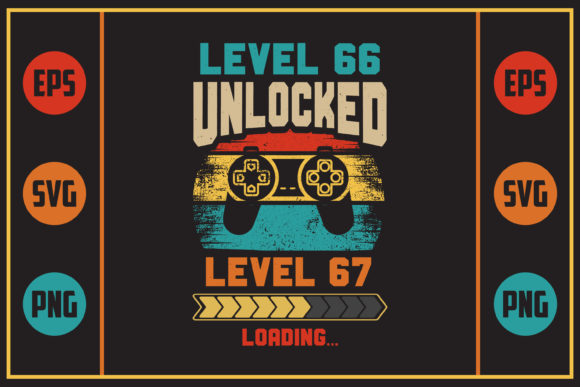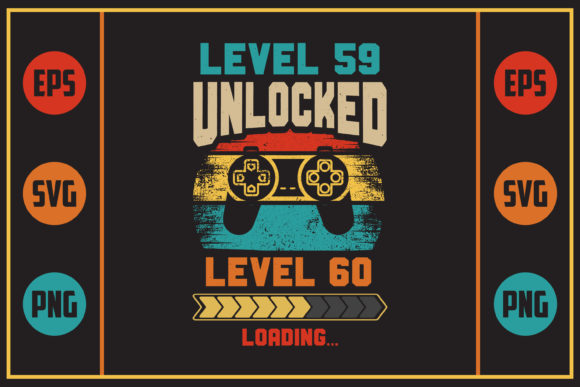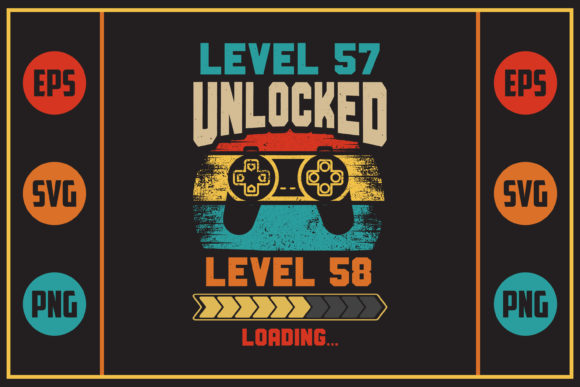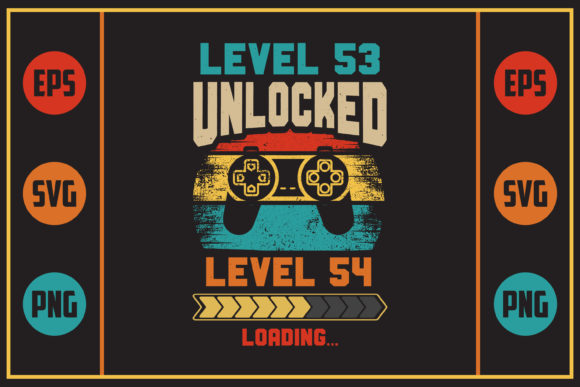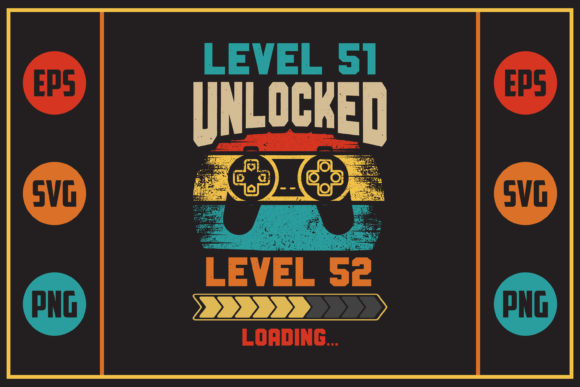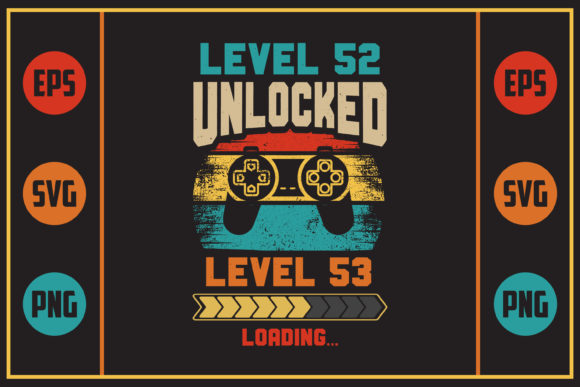
Gaming Retro Design - Level 52 Review
I have spent years reviewing digital assets for embroidery projects, and I know that a great machine embroidery design is more than just a pretty picture. It is about how the stitches behave on fabric, how the design translates from a screen to a physical object, and whether it adds value to a handmade product or a commercial line. When I first looked at Gaming Retro Design - Level 52, I immediately thought about where this could fit in my workflow. It falls under the broad categories of Crafts and Graphics, but its true potential lies in how it can be transformed into a tangible item using an embroidery file.
The First Impression: Mood and Visual Personality
From the moment you open the file, Gaming Retro Design - Level 52 exudes a specific nostalgia. The visual personality is bold, playful, and distinctly retro. In the world of custom apparel and boutique branding, mood is everything. This design does not try to be subtle; it demands attention with its strong lines and thematic elements. For a designer looking to create a tote bag design or a statement piece for a sweatshirt embroidery project, this level of visual impact is exactly what is needed.
The layout feels balanced, suggesting that the artist understood the constraints of stitching. There is a sense of structure that prevents the design from feeling cluttered, which is a common issue when translating digital graphics into stitch patterns. Whether you are creating a personalized gift for a gamer or a small shop product for an Etsy listing, the aesthetic aligns perfectly with current trends in handmade goods. It feels like something that would sit comfortably on a shelf next to other high-quality design assets.
Real-World Application: A Case Study
To truly understand the utility of Gaming Retro Design - Level 52, I decided to run a practical test scenario. Imagine you are preparing a batch of custom embroidered tote bags for a local craft fair. You want something that appeals to both hobbyists and collectors. You pull up the design file and imagine it stitched onto a sturdy canvas tote.
In this context, the design performs exceptionally well as a central focal point. The contrast between the retro theme and the utilitarian nature of a tote bag creates a compelling narrative. However, the real test comes when you consider the texture of the fabric. If you were to use this on a soft, textured fleece sweatshirt, the definition might soften slightly, but the core shapes would remain intact. Conversely, on a smooth cotton twill used for an embroidered patch, the details would pop with incredible clarity.
This versatility makes it a strong candidate for various embroidery projects. I can easily see it on a baby onesie for a holiday embroidery gift, adding a touch of whimsy to a nursery decor item. The design's scalability is also worth noting; it works as a large centerpiece on a pillow cover or as a smaller accent on a kitchen towel. For a commercial embroidery business, having a design that transitions smoothly from a one-off handmade product to a mass-produced item is crucial, and this file seems ready for that transition.
Performance on Different Fabrics and Surfaces
Not all surfaces are created equal, and a professional designer knows that success depends on matching the design to the right material. Gaming Retro Design - Level 52 shines on stable fabrics like denim, canvas, and felt. These materials provide the necessary foundation for the stitch density to hold without puckering. The design likely utilizes a mix of satin stitch for outlines and fill stitch for solid areas, which generally looks crisp on these mediums.
However, caution is required with stretchy fabrics. While you can certainly embroider on a jersey t-shirt, the tension of the stitches might distort the fabric if the design is too dense. Similarly, on thin fabrics, the weight of the thread might cause the material to sag. If you are working with dark fabric, the choice of thread colors becomes critical. You will need to ensure there is enough contrast so the retro elements do not get lost in the background. A light-colored outline against a black shirt is often the safest bet for maintaining visibility.
Curved surfaces, such as caps, present another challenge. While many designs can be adapted for curved surfaces, the geometry of Gaming Retro Design - Level 52 needs to be evaluated carefully. If the design features sharp angles or intricate corners, they might look distorted when stretched over the curve of a hat. In such cases, testing on a scrap piece of the actual cap material is essential before committing to the final product.
Where to Exercise Caution
Even the best designs have limitations. I would advise using Gaming Retro Design - Level 52 carefully in small hoop sizes. If the original design contains fine details or tiny lettering, shrinking it down for a small area could result in a muddy mess where individual stitches blend together. The same applies to products that require frequent washing; while most modern threads are durable, overly dense areas can trap lint or wear down faster than lighter sections.
If you plan to use this for a layered garment, such as a vest over a shirt, ensure that the stabilizer you choose matches the thickness of the base fabric. Using the wrong stabilizer can lead to registration issues where the top layer shifts relative to the bottom. Additionally, if the design includes decorative accents or very fine lines, inspect them closely. Sometimes, what looks perfect on a monitor loses definition when rendered in thread.
Practical Designer Notes for Success
Before you hit "start" on your machine, there are several steps every serious creator should take. First and foremost, always test the design on scrap fabric first. This simple step saves time, money, and frustration. Check the thread color contrast by running a test run with the actual threads you intend to use. Review the stitch density in your software to ensure it is appropriate for the fabric type; too much density on light fabric causes puckering, while too little on heavy fabric looks weak.
Confirm your hoop size requirements. If the design exceeds your machine's standard hoop, you may need to reposition the fabric multiple times, which introduces the risk of alignment errors. Inspect small details in your editing software, such as Inkscape or Adobe Suite, to ensure no stray nodes or paths exist that could cause the machine to jump. Test the design in black and white mockups to verify that the composition holds up even without color. Compare how it looks on light versus dark backgrounds to make sure the message is clear.
Finally, check the licensing terms. The product description mentions a .zip file containing an SVG file suitable for Cricut Explore, Silhouette Designer Edition, Adobe Suite, Inkscape, and CorelDRAW. This indicates a versatile digital embroidery file that can be used for cutting or digitizing. However, you must confirm whether this license allows for commercial use. Are you allowed to sell finished items made with this design? Can you resell the digital file itself? Clarifying these points protects your craft business and ensures you are building a legitimate brand.
Final Thoughts on Value and Appeal
Gaming Retro Design - Level 52 offers a solid foundation for anyone looking to expand their portfolio of custom apparel or personalized gifts. Its retro theme taps into a market that values nostalgia and unique style. When executed correctly, it enhances the perceived value of a finished product, making it feel more professional and polished.
For an Etsy seller or a creative entrepreneur, this design is a tool that can help tell a story. It is not just a graphic; it is a component of a larger experience. By paying attention to fabric selection, stabilizer choice, and proper testing, you can transform this digital asset into a high-quality physical item that customers will love. Whether it ends up on a kitchen towel, a pillow cover, or a boutique product, the key is in the execution. With careful planning, Gaming Retro Design - Level 52 can be a standout addition to your collection of design assets.