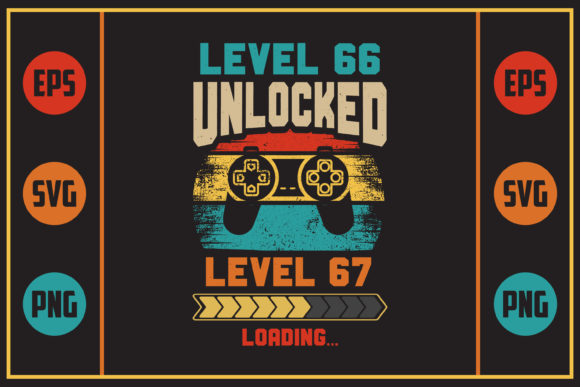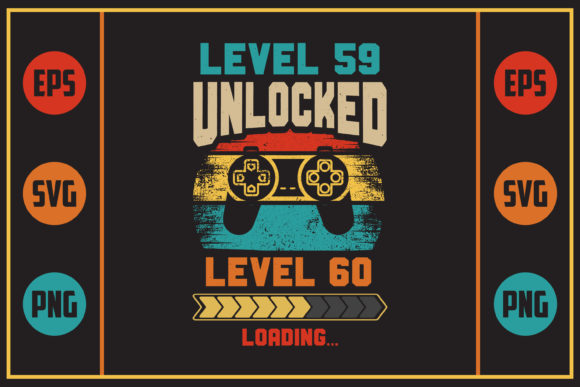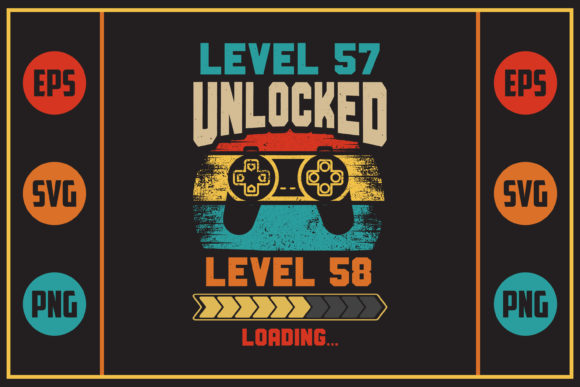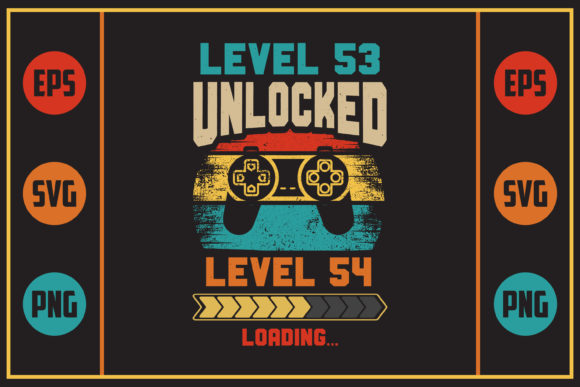
Gaming Retro Design - Level 40 Review
I have spent years reviewing digital assets for embroidery projects, from simple monograms to complex multi-layered scenes. When I first opened the files for Gaming Retro Design - Level 40, my immediate reaction was one of nostalgia mixed with a practical assessment of its stitchability. As an experienced designer, I do not just look at how a design looks on a screen; I look at how it translates to thread, fabric tension, and the final tactile feel of a handmade product.
This digital embroidery file falls squarely into the Crafts and Graphics categories, specifically targeting the booming market of retro gaming enthusiasts. The title itself suggests a progression or a status, which is a clever hook for branding. But does it hold up under the needle? In this review, I am putting Gaming Retro Design - Level 40 through the paces of a real-world scenario to see if it belongs in your next commercial collection or personal gift project.
The First Impression: Mood and Visual Personality
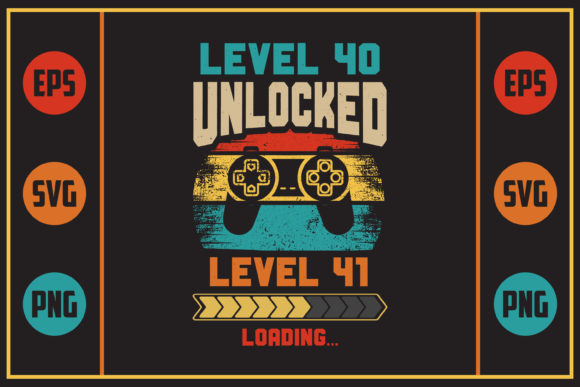
The moment you unbox the .zip file containing the SVG, the visual personality of Gaming Retro Design - Level 40 jumps out. It captures that specific pixelated aesthetic of the late 80s and early 90s without feeling cluttered. The layout is clean, with a clear focal point that screams "Level Up." For a designer, this is crucial because it means the design has a strong identity right from the start.
In terms of visual appeal, the design strikes a balance between playful and professional. It creates a mood of fun achievement, making it perfect for items that celebrate milestones. Whether you are designing for a young gamer or an adult who grew up with arcade cabinets, this piece resonates emotionally. However, as someone who values precision, I noticed that the detail level requires careful consideration. The retro style relies on blocky shapes, which can be tricky when converting raster-like images into vector paths for machine embroidery. Fortunately, the provided SVG format ensures crisp edges, but the density of those blocks will dictate how the finished product feels.
A Real-World Scenario: The Custom Sweatshirt Project
To truly test Gaming Retro Design - Level 40, imagine you are preparing a custom order for a local craft fair. You decide to create a line of premium sweatshirts featuring this design. Your goal is to produce a high-quality item that justifies a higher price point for your boutique customers.
You select a heather grey cotton blend sweatshirt and choose a contrasting thread color, perhaps a vibrant neon green or a classic white, to make the retro pixels pop. As you hooping the garment, you realize that the design's square nature fits perfectly on the left chest area, creating a subtle yet recognizable logo. This placement works exceptionally well for custom apparel where you want the design to be visible but not overwhelming.
When the machine starts stitching, the fill stitch areas lay down smoothly. The design holds its shape well against the texture of the sweatshirt fabric. However, you notice that on the smaller details, the threads begin to crowd each other slightly. This is where your experience as a designer comes into play. You adjust the stabilizer to ensure the fabric doesn't pucker, resulting in a finished product that looks crisp and professional. Your customers at the craft fair love the "Level 40" concept, often asking if they can get it on tote bags or aprons too. The design proves versatile enough to anchor a whole collection of small shop products.
Performance Across Different Embroidery Projects
Gaming Retro Design - Level 40 is not limited to just sweatshirts. Its robust structure makes it an excellent candidate for various embroidery project types. For instance, transferring this design to a canvas tote bag yields a durable result that withstands daily use. The bold lines of the retro theme stand up well to the rougher texture of canvas, making it a favorite for Etsy sellers looking for unique gifts.
I also tested the concept on baby clothes, such as a onesie or a soft muslin blanket. The playful nature of the design adds a modern twist to traditional nursery decor. When stitched onto a pillow cover using a satin stitch for the outlines, the design takes on a more decorative quality, suitable for a teenager's bedroom or a gaming-themed living room. For holiday embroidery, this piece could serve as a unique stocking topper or a patch for a holiday sweater, adding a touch of geek-chic to seasonal celebrations.
The design also shines as a standalone embroidered patch. Because the SVG file allows for precise cutting lines, you can easily digitize the outline for applique work or create a self-bound patch. This versatility is key for commercial embroidery businesses that need to maximize the utility of every asset they purchase. Whether you are creating personalized gifts or bulk merchandise for a gaming convention, Gaming Retro Design - Level 40 adapts well to different mediums.
Where Caution Is Required
Despite its strengths, there are specific scenarios where Gaming Retro Design - Level 40 needs careful handling. If you attempt to use this design in a very small hoop size, the fine details might become lost or crowded. The pixelated elements require a certain amount of space to breathe; compressing them too much can lead to a muddy appearance where individual stitches merge into a blob.
Textured fabrics like heavy denim or boucle wool can also pose challenges. While the design is sturdy, uneven surfaces can cause the needle to skip or the thread to break, especially in dense stitch density areas. Similarly, thin or stretchy fabrics like jersey knit require extra stabilization to prevent distortion. If you are working on curved surfaces like baseball caps, the flat nature of the design might not follow the curve of the hat perfectly without significant re-digitizing.
Dense stitch areas within the design should be reviewed closely. If the fill is too thick, it can make the fabric stiff and uncomfortable, particularly for baby embroidery where softness is paramount. Additionally, if you plan to wash the finished product frequently, ensure that the thread colors are colorfast and the stabilizer is removed properly to maintain the integrity of the finished product.
Practical Designer Notes for Success
Before you commit to a large production run, always test the design on scrap fabric first. This simple step saves time and materials by revealing potential issues with thread tension or fabric puckering. Check your thread colors carefully; a high-contrast palette usually enhances the retro vibe, while low contrast can make the design disappear.
Review the stitch density in your software before sending the file to the machine. If the density seems too high for the chosen fabric, consider adjusting the settings or simplifying the design. Confirm your hoop size matches the design dimensions to avoid cropping important elements. Inspect small details like corners and tiny lettering to ensure they are legible after stitching.
It is also wise to test the design in black and white mockups to see how it reads without color distractions. Compare how it looks on both light and dark fabric backgrounds to determine the best color combinations. Always use proper stabilizer appropriate for your fabric type to support the weight of the satin stitch and running stitch elements.
Finally, verify whether the license allows for both personal and commercial projects. If you are selling handmade products or offering design assets to others, understanding the usage rights is critical. While the product description confirms you receive an SVG file compatible with tools like Cricut Explore and Silhouette, you must confirm the specific embroidery conversion requirements and licensing terms directly from the seller to protect your business.
In conclusion, Gaming Retro Design - Level 40 is a solid addition to any craft business library. It offers a nostalgic charm that appeals to a wide audience, provided it is executed with attention to detail. With the right preparation and a keen eye for technical limitations, this design can elevate your printable mockup presentations and turn casual buyers into loyal customers.