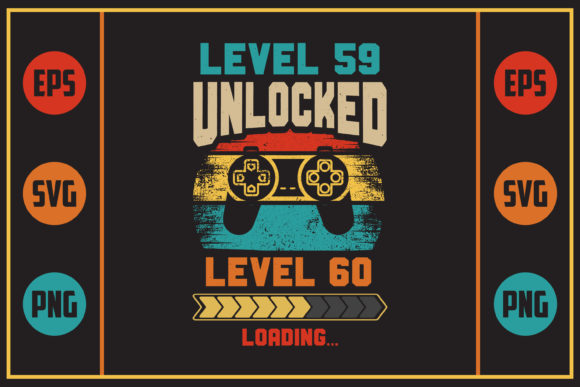
Gaming Retro Design Level 6: A Designer's Review
I recently received a brief from a client launching a boutique line of handmade gaming merchandise. They wanted to evoke the nostalgia of the 8-bit era without looking like a cheap knock-off. The goal was to create a brand identity that felt authentic, polished, and ready for print-on-demand platforms. After reviewing dozens of assets in the Crafts category, I decided to test-drive the Gaming Retro Design - Level 6 asset to see if it could elevate their visual direction.
First Impressions and Visual Mood
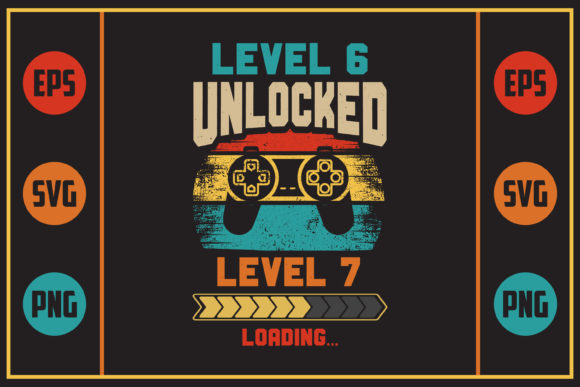
The moment I opened the file, the Gaming Retro Design - Level 6 asset made a distinct statement. It isn't just a generic clipart; it carries a specific weight and texture that suggests a curated graphic design asset. The visual mood is undeniably playful yet structured, capturing the essence of vintage arcade aesthetics while maintaining enough modern cleanliness to fit into contemporary branding.
In a sea of generic digital products, this piece stands out because it balances retro charm with professional execution. The lines are crisp, and the composition feels intentional rather than haphazard. For a small business owner or a content creator looking to build a cohesive brand identity, this asset offers a strong foundation. It naturally fits projects that require a blend of fun and functionality, such as marketing visuals for a local event, a seasonal campaign for an online shop, or editorial design for a blog focused on gaming culture.
Performance in Real-World Scenarios
When I applied this asset to mockups for the client's project, its versatility became immediately apparent. This Svg design is not limited to a single use case. In fact, it excels across a wide spectrum of applications:
- Logo Design and Brand Identity: The core elements can be scaled down to serve as a focal point for a logo, providing instant recognition without overwhelming the typography.
- Packaging Design: On product labels or box inserts, the asset adds a layer of tactile appeal that makes the physical product feel more premium.
- Mercenary and Apparel: For t-shirt design or tote bags, the vector nature ensures the print remains sharp even at large sizes.
- Social Media Graphics: It translates beautifully into Instagram posts and Pinterest pins, acting as a hero graphic that stops the scroll.
- Cricut Projects: As a designer who frequently uses cutting machines, I found the paths clean and precise, making it ideal for creating stickers, decals, and custom cut files.
The asset works particularly well in large layout areas where it can breathe. Whether used as a hero graphic on a landing page or as a decorative accent on a flyer, it commands attention. It also serves as an excellent supporting element in design bundles, adding depth to otherwise flat layouts.
Strategic Limitations and Caution
While this is a powerful tool, no single creative design element is perfect for every situation. My experience dictates that Gaming Retro Design - Level 6 requires careful placement to maintain visual hierarchy.
Designers should exercise caution when using this asset in small sizes. If compressed too much on a mobile screen or a tiny sticker, the intricate details may blur, losing the impact intended by the original illustration. Similarly, in crowded layouts with competing text and images, this asset might become visually noisy. It demands space to function effectively.
Furthermore, this style does not align with minimalist branding or strict corporate materials. If your client operates in a sector requiring very clean, sterile, or highly formal commercial design, this retro aesthetic might clash with their desired image of professionalism. It is best reserved for brands that want to convey creativity, nostalgia, and approachability.
Impact on Readability and Emotional Appeal
The inclusion of this asset significantly influences the emotional tone of a project. It injects a sense of excitement and engagement that purely typographic designs often lack. When paired correctly, it enhances audience engagement by triggering positive memories associated with classic gaming culture.
However, readability must always be prioritized. Because the asset has a distinct style, it can sometimes compete with text if not layered correctly. To ensure the message remains clear, I recommend placing the asset behind text with ample negative space or using it to frame content rather than interrupting the flow. This balance is crucial for maintaining professionalism and ensuring the design communicates trust.
Practical Designer Notes for Commercial Use
Before integrating Gaming Retro Design - Level 6 into a final deliverable for a paying client, there are several technical checks every designer should perform. These steps ensure the final result is high-quality and legally sound.
- Test in Black and White: Always preview the asset in grayscale to check contrast levels. Ensure it retains its shape and definition without relying solely on color.
- Background Versatility: Preview the design on both light and dark backgrounds. The asset should pop against both without needing excessive drop shadows or outlines.
- Size Scalability: Check how the design looks at thumbnail size versus full-screen resolution. Vector formats handle scaling well, but raster previews should be inspected for pixelation.
- File Format Inspection: The purchase includes a .zip file containing an SVG file compatible with Cricut Explore, Silhouette Designer Edition, Adobe Suite, Inkscape, and CorelDRAW. Open these files to verify that all paths are closed and editable. Check for any unnecessary anchor points that could complicate editing.
- Transparency Checks: If you convert the file to PNG for web use, ensure the transparency is clean and free of white halos.
- Typography Pairing: Compare the asset with various font styles. A bold display font often pairs well with this retro theme, while a clean sans serif font can provide necessary contrast. Avoid pairing it with overly ornate script fonts unless the entire theme is consistent.
- Licensing Verification: Most importantly, confirm the commercial license terms. Ensure you have the right to use the asset for client work, especially for Etsy products or print-on-demand items where resale rights are critical.
Final Verdict on the Asset
After putting Gaming Retro Design - Level 6 through its paces, I am confident recommending it for designers working in the crafts and graphics sectors. It is a robust digital product that bridges the gap between hobbyist crafting and professional web design.
Whether you are creating a sticker design for a small business, developing a sublimation design for apparel, or building a comprehensive Canva template for a marketing campaign, this asset delivers value. It transforms a simple concept into a polished visual story. For anyone looking to add a touch of nostalgic flair to their handmade business or small business branding, this is a smart investment.
Remember, the difference between a good design and a great one often lies in the quality of the assets used. With its clean vectors, versatile application, and strong visual presence, Gaming Retro Design - Level 6 proves itself as a reliable partner in the creative process. Just ensure you respect its limitations regarding scale and context, and you will find it to be an invaluable addition to your library of design assets.